Short answer: yes, London tap water is safe to drink. It’s treated and tested by Thames Water, meets the UK’s strict drinking-water regulations, and around 99.98% of tap-water samples in England pass the required safety standards. You don’t need a filter to drink it safely. But “safe” and “pleasant” aren’t quite the same thing — so here’s the honest, fuller picture.
Who says it’s safe?
London’s water quality is regulated by the Drinking Water Inspectorate (DWI), an independent body that enforces the UK’s Water Supply (Water Quality) Regulations. Thames Water tests thousands of samples a day, and compliance across England runs at about 99.98%. By any reasonable standard, that makes London tap water some of the most rigorously monitored in the world — and safe to drink straight from the cold tap.
So if your question is “will it make me ill?”, the evidence-based answer is no.
So why do so many Londoners filter it?
Because safe doesn’t mean ideal for everyone’s taste or appliances. Three things drive Londoners to filter:
1. It’s very hard water
Thames Water supplies the capital with around 260–280 mg/L of dissolved minerals (calcium carbonate) — among the hardest in the UK, thanks to the chalk and limestone the water flows through. Hardness isn’t a health risk (the DWI doesn’t even set a maximum limit for it), but it’s why your kettle furs up, your tea gets a film, and your shower screen spots. Many people filter purely to fix taste and limescale.
2. Older homes and lead
London has a lot of pre-1970s housing, some still with legacy lead pipework or fittings. Mains water leaves the treatment works lead-free, but it can pick up traces from old internal plumbing. If you live in an older property, this is the most sensible reason to consider a filter certified for lead.
3. PFAS awareness
“Forever chemicals” are a national talking point. A 2026 Imperial College London survey found London tap water within current safety limits, and since March 2025 the DWI has enforced a tighter cumulative PFAS limit. It’s a precautionary concern, not an active hazard — but some people prefer to reduce PFAS further at home. See our PFAS water filter guide.
Do you need a filter in London?
No, not for safety. You’d want one if you:
- are tired of limescale and want better-tasting tea, coffee and cooking water;
- live in an older home and want to reduce any lead from internal pipework;
- want to reduce PFAS as a precaution;
- currently buy bottled water and want to stop (a filter pays for itself within months).
If none of those apply and you’re happy with the taste, London tap water is fine as it comes.
If you do want to filter — what to get
For London’s hard water, reverse osmosis handles hardness, lead and PFAS together. Your choice of model comes down to whether you own or rent:
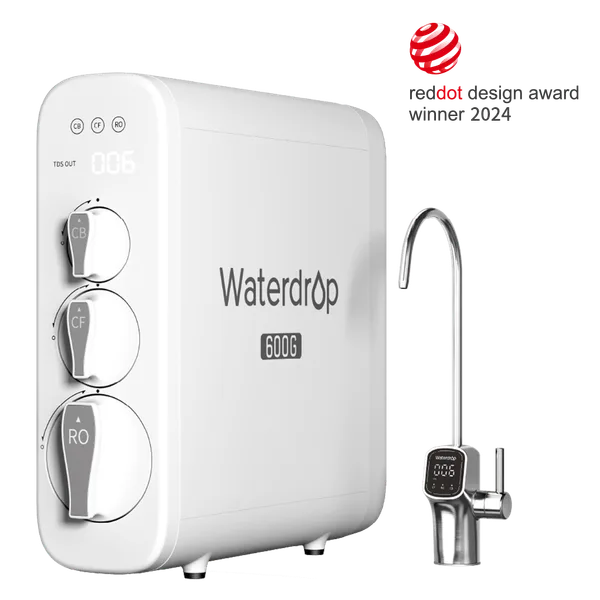
Waterdrop G3P600
Under-sink reverse osmosis — handles London's hardness, lead and PFAS, with on-demand filtered water from a dedicated tap.
Read our Waterdrop G3P600 review →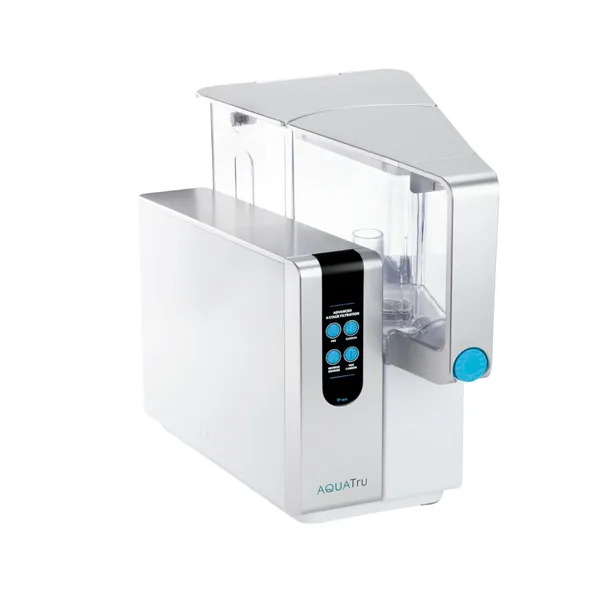
AquaTru Classic
Countertop RO with no plumbing and broad certifications — the easy choice for London's renters.
Read our AquaTru Classic review →See our full Best Water Filter for London guide for the detail.
The bottom line
London tap water is safe to drink — rigorously tested, regulated, and compliant. People filter it not for safety but for taste, limescale, peace of mind about lead in older homes, and PFAS caution. If those things bother you, a reverse-osmosis system is the right answer. If they don’t, pour a glass and enjoy it.
Frequently asked questions
Is London tap water safe to drink in 2026?
Yes. It's treated and tested by Thames Water, meets UK Drinking Water Inspectorate standards, and around 99.98% of tap-water samples in England pass safety standards. You can drink it straight from the cold tap.
Why is London tap water so hard?
Thames Water sources flow through chalk and limestone, dissolving calcium and magnesium. The result is very hard water at around 260–280 mg/L — among the hardest in the UK. It's safe but causes limescale and affects taste.
Does London tap water contain lead?
Water leaves treatment works lead-free, but older London homes may have legacy lead pipework that introduces traces. If you live in a pre-1970s property, a filter certified for lead reduction (such as reverse osmosis) is a sensible precaution.
Is there PFAS in London tap water?
Trace PFAS can be present but a 2026 Imperial College London survey found London tap water within current safety limits, and the DWI enforces a cumulative 100 ng/l limit. Reverse osmosis can reduce PFAS further if you want extra reassurance.
Do I need a water filter in London?
Not for safety. Londoners filter mainly for taste and limescale from the hard water, to reduce lead in older homes, or as a PFAS precaution. If those don't bother you, the tap water is perfectly fine to drink as it is.